How Albion's economy works
Silver, gold, premium, markets, taxes, cities and zones: the rules every trade runs on.
8 min read. Checked October 26, 2026.
Everything is player-made
In Albion almost every weapon, armor piece, potion and meal was gathered, refined and crafted by a player. NPCs don't sell gear. That is why prices move: they are set by thousands of players buying and selling, city by city.
It also means every activity feeds another: gatherers sell raw resources to refiners, refiners sell to crafters, crafters sell gear to fighters, and when fighters die in full-loot zones, the gear is gone and has to be made again.
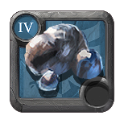 GatheredIron Ore
 RefinedSteel Bar
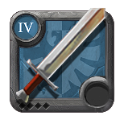 CraftedAdept's Broadsword
Silver, gold and premium
- Silver is the everyday currency. You earn it from everything you do and spend it on the market.
- Gold is the premium currency. You can buy it with real money, or with silver on the in-game gold market (around 9,000 silver per gold on both Americas and Europe in October 2026).
- Premium is bought with gold or from the web shop. It gives 10,000 focus a day, halves the market sales tax (8% to 4%), adds 50% to fame, gathering yield and silver from monsters, doubles crop yield, and gives 30 learning points a day.
How the markets work
Each city has its own separate market. You can buy or sell in two ways:
- Instantly: buy the cheapest listing, or sell to the highest buy order. No setup fee.
- With an order: list an item at your price, or place a buy order and wait. Every new or edited order costs a 2.5% setup fee that is never refunded.
When something sells, the game takes sales tax: 8% without premium, 4% with it. Orders last 30 days. Anything sitting in your Completed Transactions for 60 days is deleted, so collect what you buy and sell.
You can only sell items from your inventory, not your bank, and gear must be fully repaired to be listed.
The cities and what they are good at
Each Royal city gives an 18% production bonus to all refining and crafting, plus a big +40% bonus for refining one resource and +15% for crafting certain gear:
| City | Refines best | Crafts best (examples) |
|---|---|---|
| Thetford |  Ore into metal bars | Maces, nature, fire staffs |
| Lymhurst |  Fiber into cloth | Swords, bows, arcane staffs |
| Bridgewatch |  Stone into blocks | Crossbows, daggers, curse staffs |
| Martlock |  Hide into leather | Axes, quarterstaffs, frost staffs |
| Fort Sterling |  Wood into planks | Hammers, spears, holy staffs |
Caerleon sits in the middle, behind red zones, and holds the Black Market, which buys gear for the loot that monsters drop. Brecilien is in the Mists and is good for capes, bags and potions. Neither has a refining specialty.
Zones: where you can lose your stuff
| Zone | What happens if a player beats you |
|---|---|
| Blue | Nothing: no PvP |
| Yellow and orange | Knocked down, gear loses durability, you keep everything |
| Red | Full loot: everything you wear and carry drops |
| Black (Outlands) | Full loot, and anyone can attack anyone |
Dropped items each have a one-in-three chance to be destroyed; the rest can be looted. Silver in your bank is always safe. Higher-tier resources and better rewards live in the more dangerous zones, which is the whole risk-reward loop of the game.
Your first week, in order
- Finish the tutorial. It teaches the basics and gives a few free days of premium to try focus with.
- Pick one gathering resource and one cheap weapon. Gather in blue and yellow zones.
- Refine what you gather in that resource's bonus city, and sell the refined goods.
- Keep your first gear cheap: only take into red zones what you can replace several times.
- Once you have a few million silver, try a simple flip or a refining run with bought materials.